

 Perplexity
 ChatGPT
 Claude
 Gemini
 Grok
Grok
Every app developer reaches the same frustrating moment: they build something genuinely useful, publish it to the Apple App Store and then wait. The downloads trickle in slowly. The ranking sits somewhere on page seven. The product is solid, but nobody is finding it.
That gap between a good app and a visible app is not random. There is a system behind it. The Apple App Store runs on a ranking engine that evaluates dozens of signals continuously, updating results based on behaviour, relevance, and quality indicators that most developers never fully understand.
The good news is that the algorithm always rewards honest effort. It is not created to punish small developers or favour big budgets exclusively. It is built to surface apps that users truly want. Understanding how an algorithm makes those decisions changes everything about how you approach your app’s launch and growth strategy.
Here we will discuss how the App Store algorithm really works.
Table of Contents
How the Apple App Store Algorithm Works: The Ranking System Explained
Before diving into tactics, it helps to understand the foundation that the algorithm is always solving one problem: which app deserves to appear in front of this specific user, right now.
Keyword Relevance and Metadata
The Apple App Store’s algorithm starts with text. It reads your app title, subtitle, keyword field and developer name to understand what your app does. When a user searches for a term, the algorithm matches their query against this metadata. Your app title carries the heaviest weight of all metadata fields.
A keyword placed in the title ranks with significantly more authority than one buried in the keyword field. Furthermore, the subtitle functions as a secondary title in terms of indexing power.
Developers who treat metadata casually leave ranking potential untouched. Choosing the right words—terms that real users actually type—is the first decision the algorithm uses to judge your relevance.
Download Velocity and Volume
Raw download numbers matter, but velocity matters more. The algorithm tracks how many installs your app earns within a particular time window. A surge of downloads over 48 hours indicates to the system that your app has fresh momentum. This is why launch strategies that focus on promotional activity like email campaigns, social announcements and paid installs in a tight window tend to outperform slow, steady trickles.
The algorithm system distinguishes between organic and incentivized downloads. Organic installs driven by genuine search intent carry more ranking weight than installs from paid campaigns with no engagement behaviour following the download. Volume matters, but earned volume matters more.
Conversion Rate on Your App Page
The algorithm goes through how users behave on your product page before they proceed to download. If a thousand people visit your listing and only thirty of them install it, that low conversion rate indicates weak relevance or poor presentation.
Apple tracks this conversion data meticulously, and a declining rate can suppress your ranking even when download volume is adequate. Your icon, screenshots, preview video and the first lines of your description all influence conversions. For instance, an icon redesign alone has the potential to shift conversion rates dramatically for apps in competitive categories. The algorithm treats your page performance as a proxy for product quality and relevance fit.
Ratings, Reviews and Recency
User ratings are one of the most visible App Store ranking factors the algorithm assesses. A higher average rating consistently correlates with stronger rankings across categories.
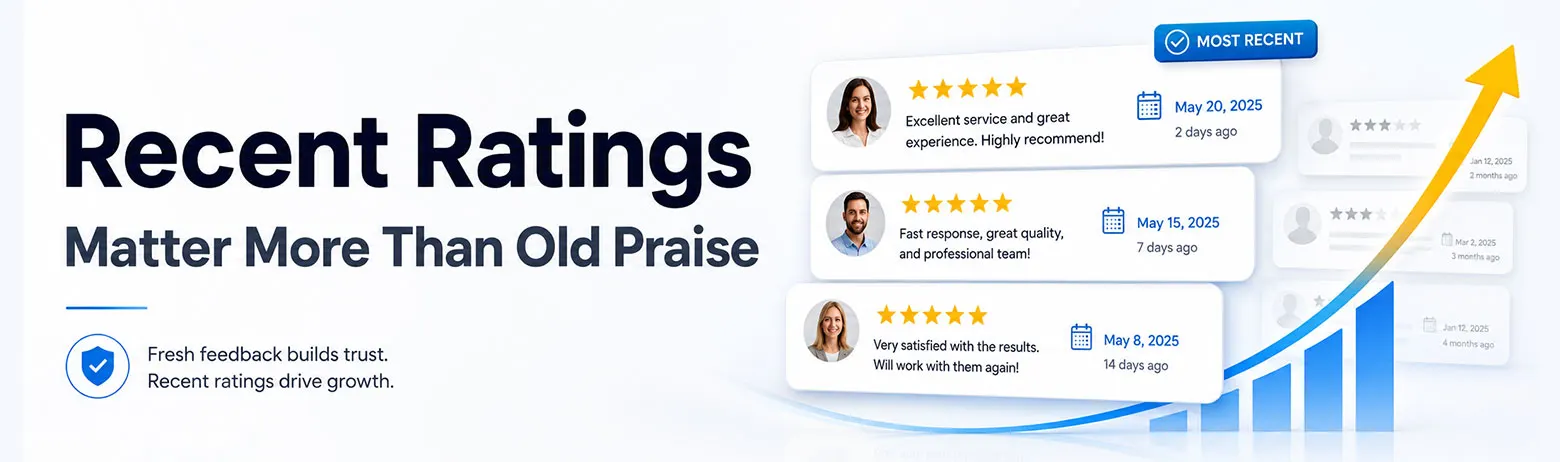
However, recency matters along with the overall score. An app sitting at 4.8 stars with all reviews from two years ago is treated differently than one earning fresh 5-star feedback in the current month.
The system wants evidence that current users are satisfied and not just the old ones. Review volume indicates authority. An app with 200 reviews and a 4.6 average will often outrank an app with 12 reviews and a 4.9. This basically happens because the data pool is larger and more trustworthy.
Retention and Engagement Behaviour
Downloads are the beginning of the algorithm’s evaluation but not the end. Once a user installs your app, the system tracks what happens next. How many days in a row do they return? How long does each session last? How many users delete the app within the first 72 hours?
High uninstall rates and low session frequency are negative signals. An app that users keep, open regularly and spend time inside communicates genuine value. The App Store algorithm interprets this engagement data as proof that your app delivers on its promise. Retention is, in practical terms, a vote of confidence that the algorithm weighs heavily.
App Updates and Developer Activity
The algorithm favours apps with active development histories. Regular updates signal that a real team is maintaining the product, responding to user feedback, and keeping the app compatible with the latest operating system versions. Apple’s system rewards this behaviour because an actively maintained app is less likely to break, frustrate users or create support problems. Apps that go months or years without an update gradually lose ranking position in competitive categories, even if their ratings remain strong.
Update notes are indexed, which means describing new features in plain, keyword-aware language gives you an additional relevance signal with each release cycle.
In-App Purchases and Monetization Signals
The algorithm accounts for revenue signals when ranking apps. Apps that generate consistent in-app purchases or subscription revenue tend to hold rankings more stably than free apps with no monetization activity. This is partly because revenue is a proxy for genuine user satisfaction—people pay for things they value.
Listing your in-app purchases in the App Store provides additional indexed text, broadening the keyword surface area the algorithm uses to match your app to relevant searches. App Store Optimization (ASO) practitioners consistently note that monetization metadata is an underused ranking lever that developers often overlook when creating their metadata strategy.
How the App Store Algorithm Works Across Categories and Featured Placements
Once the basic signals are understood, there is a second layer worth paying close attention to i.e., how the algorithm behaves differently depending on category competition and editorial considerations.
Category-Level Competition Affects Ranking Thresholds
Your app does not compete globally; it competes within its category. The download volume required to reach the top of a Games category chart is vastly higher than what it takes to lead in a niche productivity subcategory.
The algorithm calibrates ranking thresholds based on the competitive density of each category. This means a properly optimized app in a smaller category can outperform a larger competitor just by being more relevant to the specific search terms that category users usually type.
Comprehending your category’s competitive terrain is not optional. It directly affects the benchmark you need to hit for impactful visibility.
Localization Expands Ranking Reach
The algorithm evaluates apps separately across different regional App Stores and languages. An app with English-only metadata is invisible to the algorithm in markets where users search in French, Spanish or Portuguese.
Localizing your metadata—including title, subtitle, keywords, and screenshots—signals to the algorithm that your app serves those markets intentionally. Localized apps often face less competition in regional keyword fields, meaning the effort required to rank well in a secondary language market can be lower than breaking through in English. Canadian developers serving bilingual audiences, for instance, gain a structural advantage when French-language metadata is fully optimized alongside English.
Apple Search Ads and Organic Ranking Interact
Running Apple Search Ads campaigns does not directly improve your organic App Store ranking. The two systems are completely separate.
However, paid campaigns drive actual installs, and actual installs with strong post-install engagement feed the organic signals the algorithm tracks. A properly run Search Ads campaign that targets high-intent keywords generates download velocity and user sessions that strengthen your organic position over time.
The App Store algorithm reads the downstream behaviour—not the ad spend itself. This is an important distinction because it means paid activity can support organic growth indirectly, but only when the app experience converts new users into retained ones.
Editorial Features and the Algorithm’s Relationship with Curation
Apple’s editorial team curates Today Tab features, category spotlights, and app collections independently from the ranking algorithm.
However, being featured has a downstream effect on algorithmic ranking. A feature drives a concentrated burst of installs and engagement that the algorithm reads as a positive indicator. Developers who maintain high technical quality, follow Apple’s Human Interface Guidelines and build apps with strong design integrity are more likely to attract editorial attention.
The algorithm and the editorial team are not the same system, but they reward the same underlying qualities, namely genuine usefulness, reliable performance, and a product that earns the trust of its users.
How the App Store Algorithm Works for Long-Term Visibility
Getting ranked is one thing. Staying ranked requires a different kind of consistent, deliberate and user-centred mindset.
Keyword Refreshes Keep Relevance Current
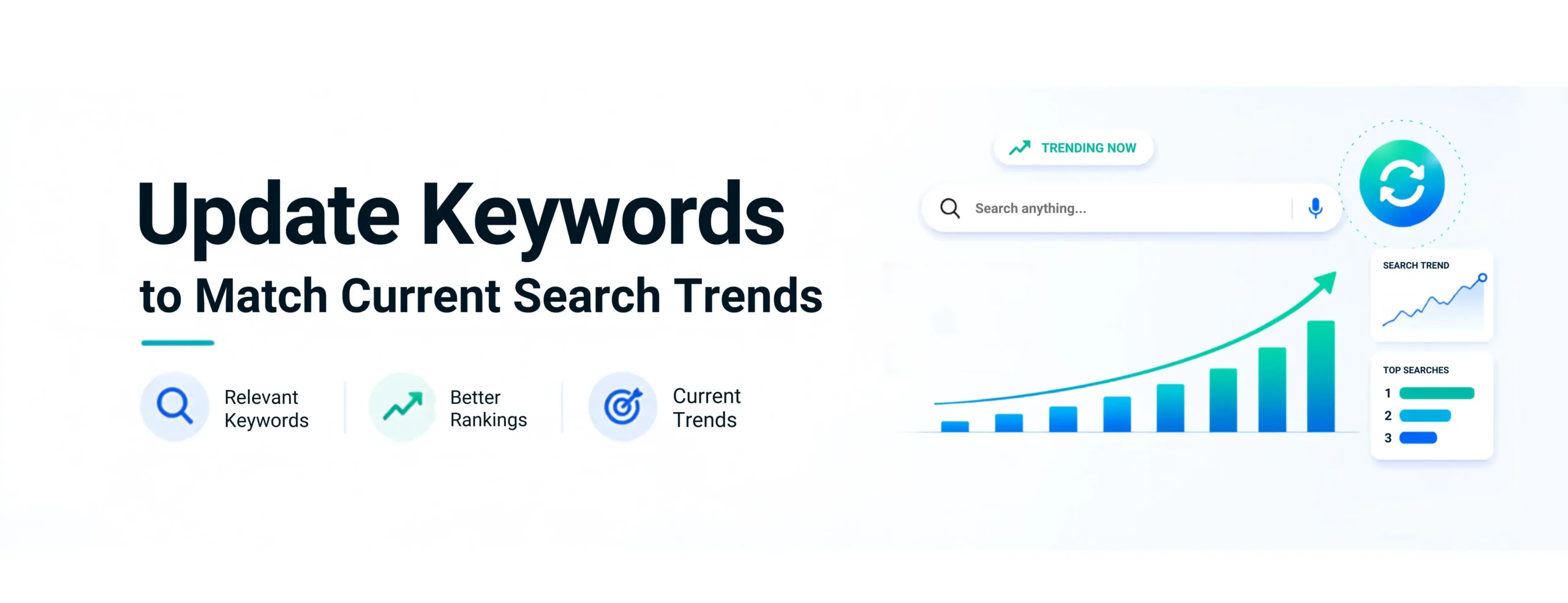
Search trends evolve. Terms that users used two years ago are not necessarily the ones they type today. The algorithm continuously re-evaluates relevance based on current search behaviour, which means an app with static metadata gradually loses alignment with the queries that matter.
App Store ranking factors include keyword freshness as an indirect signal—updating your keyword field with terms that reflect current usage patterns keeps your app visible to new search demand. Many developers forget their metadata after launch. The ones who review their keyword performance quarterly and adjust based on real search data maintain ranking durability that their static competitors slowly lose.
Review Management Shapes Algorithmic Perception
Responding to user reviews is not just a customer service gesture. It is also an algorithmic signal. Apple surfaces apps in search results with better engagement patterns, and review response behaviour is part of that big picture.
Developers who respond promptly and helpfully to negative reviews often see improved ratings over time, as dissatisfied users revise their scores. Actively prompting satisfied users to leave a review using Apple’s native in-app review prompt at the right moment in the user journey generates steady review volume that keeps the algorithm’s perception of your app current and positive. This means that quiet apps slowly fade away and active ones get louder.
Technical Performance Is a Ranking Input
Crashes, slow load times and poor memory behaviour hurt rankings. Apple collects performance data on every app through its crash reporting and analytics infrastructure. Apps with high crash rates are deprioritized in ranking because they create poor experiences for users. The algorithm treats technical stability as a quality proxy.
An app that crashes frequently is not serving its users well, and the system penalizes that accordingly. Developers who monitor their crash rates, address performance issues promptly and optimize their apps for each new iOS version protect their ranking position in a way that no metadata improvement can fully compensate for.
Social Proof Compounds Over Time
The algorithm benefits from a compounding dynamic. Apps with strong ratings earn better rankings, which drives more visibility, which brings more downloads, which generates more reviews and which strengthens ratings further.
This cycle rewards early investment in the user experience. Apps that prioritize delighting their first thousand users—not just acquiring them—build a social proof base that the algorithm amplifies over time.
The App Store algorithm, in this sense, is a fair system as it cannot be permanently gamed by shortcuts. It consistently surfaces apps that real users find valuable, and it continues rewarding that quality the longer the app is active.
Comprehending how the Apple App Store algorithm functions removes the mystery from the topic of app growth. The system rewards proper metadata, genuine engagement, technical quality and consistent effort over time. There are no permanent shortcuts, only honest indicators that compound in your favour when the product earns them. Created for users first, optimize with intention and the algorithm will reflect that investment back through visibility, ranking and downloads. The path is clear for any developer willing to follow it.