
Every business owner knows that feeling—you put money into advertising before a peak season, the campaign goes live, and somehow the sales you expected just don’t show up.
It is one of the most frustrating places to be, especially when you know your product or service is genuinely good. More often than not, the problem isn’t the offer but the timing, the targeting, and the structure of the campaign itself.
Seasonal marketing is one of the most powerful ways to grow a business, but it rewards preparation and punishes guessing. Businesses that plan ahead, understand their audience’s behaviour across different times of year, and build tightly focused campaigns consistently outperform those that improvise. The gap between those two groups is almost always strategy.
Running well-planned Google Ads campaigns during peak seasons can shift your revenue curve—not by a few percentage points but sometimes by multiples. The difference is knowing what to do, when to do it, and why each piece of your strategy matters.
Here we will discuss how to create a winning Google Ads strategy for seasonal marketing so that you make every advertising dollar count when it matters most.
Strong seasonal advertising starts with a proper structure and a plan built before the season begins, not after it arrives.
One of the most common and costly mistakes in seasonal advertising is starting too late. When you begin building your Google Ads campaigns just a week or two before a peak season, you are already behind. Google’s algorithm needs time to learn and your Quality Score needs time to build. Your bidding strategy needs data before it can perform at its best. Eight weeks gives you the runway to test headlines, refine audience signals and let automated bidding warm up properly.
Starting early means you capture the early-intent audience—the shoppers and buyers who begin researching well before a holiday or seasonal event. These early researchers are valuable because they are still in the decision-making phase and have not yet committed to a competitor.
A well-timed ad that shows up while they are still weighing options is far more valuable than one that arrives after the decision is made. Setting up your seasonal Google Ads campaigns on a structured timeline is not just good practice but the foundation upon which everything else rests.
A lot of businesses set a flat monthly budget and let it run evenly across all thirty days. During a season, that approach wastes money. Demand during peak seasons is not flat—it spikes. There are days, hours, and even search patterns that clearly outperform others, and your budget needs to reflect that reality.
Use your historical data—even one or two years of it—to map out when your category sees the sharpest demand increases. For many Canadian retailers, that means front-loading the budget in the first two weeks of a promotional season, when shopper intent is highest. Use ad scheduling to concentrate during the hours when your audience is most active. A budget that is intelligently timed will consistently outperform a larger budget that is spread thin.
Seasonal advertising is not about spending more—it is about spending at the right moments. Your Google Ads campaigns should breathe with demand, not ignore it.
Your ad copy is the first real conversation you have with a potential customer. During a seasonal campaign, that conversation needs to feel timely. Generic copy that could run in any month will underperform against copy that acknowledges the moment—a gift-giving season, a summer project, a back-to-school rush, or a year-end deadline.
Seasonal copy initiates urgency without feeling manufactured. Phrases like “Ready before the holidays” or “Perfect for the long weekend” are specific and relevant. They connect the product to what the reader is already thinking about. For instance, a plumbing company running ads in autumn might write a copy about winterizing pipes before the cold arrives—that is useful, timely and grounded in a real seasonal concern. The copy should feel like it was written for this exact moment, not pulled from a template. Strong creative ties to a genuine seasonal context will improve your click-through rates and bring in a better-qualified audience.
Audience targeting is where a lot of seasonal campaigns leave real performance on the table. Most advertisers set up keyword targeting and leave it at that. But layering in audience signals—remarketing lists, customer match, in-market segments, and similar audiences—can improve the efficiency of your spend.
During seasonal pushes, using Google Ads targeting strategies that combine keyword intent with audience behaviour is particularly powerful. Someone who has previously visited your website and is now searching for a seasonal gift is a fundamentally different prospect than a cold searcher using the same keyword.
Bid adjustments for warm audiences during peak periods are often some of the highest-return moves available to a seasonal advertiser. In-market audiences for seasonal categories (like holiday shoppers or home improvement buyers) can be layered on top of your keyword campaigns to concentrate on users who are already displaying purchase intent. This is the audience strategy done right.
Sending seasonal traffic to a generic homepage is one of the fastest ways to lose conversions you have already paid for. When someone clicks a Christmas promotion ad and lands on a page that looks like it was created for July, the disconnect is immediate and the bounce rate spikes. Every peak season deserves its own landing page—one that complements the ad message and reflects the season visually.
A well-built seasonal landing page does not need to be complex. It needs to be relevant, fast, and focused. The headline should echo the ad, the offer should be front and centre, and the call to action should be clear and specific.
From a Quality Score standpoint, message-matched landing pages improve your ad relevance scores, which lowers your cost per click across the entire campaign. The math is simple—better pages mean better scores, which means better placement at lower cost. Set up dedicated seasonal pages and treat them as a real investment, not an afterthought.
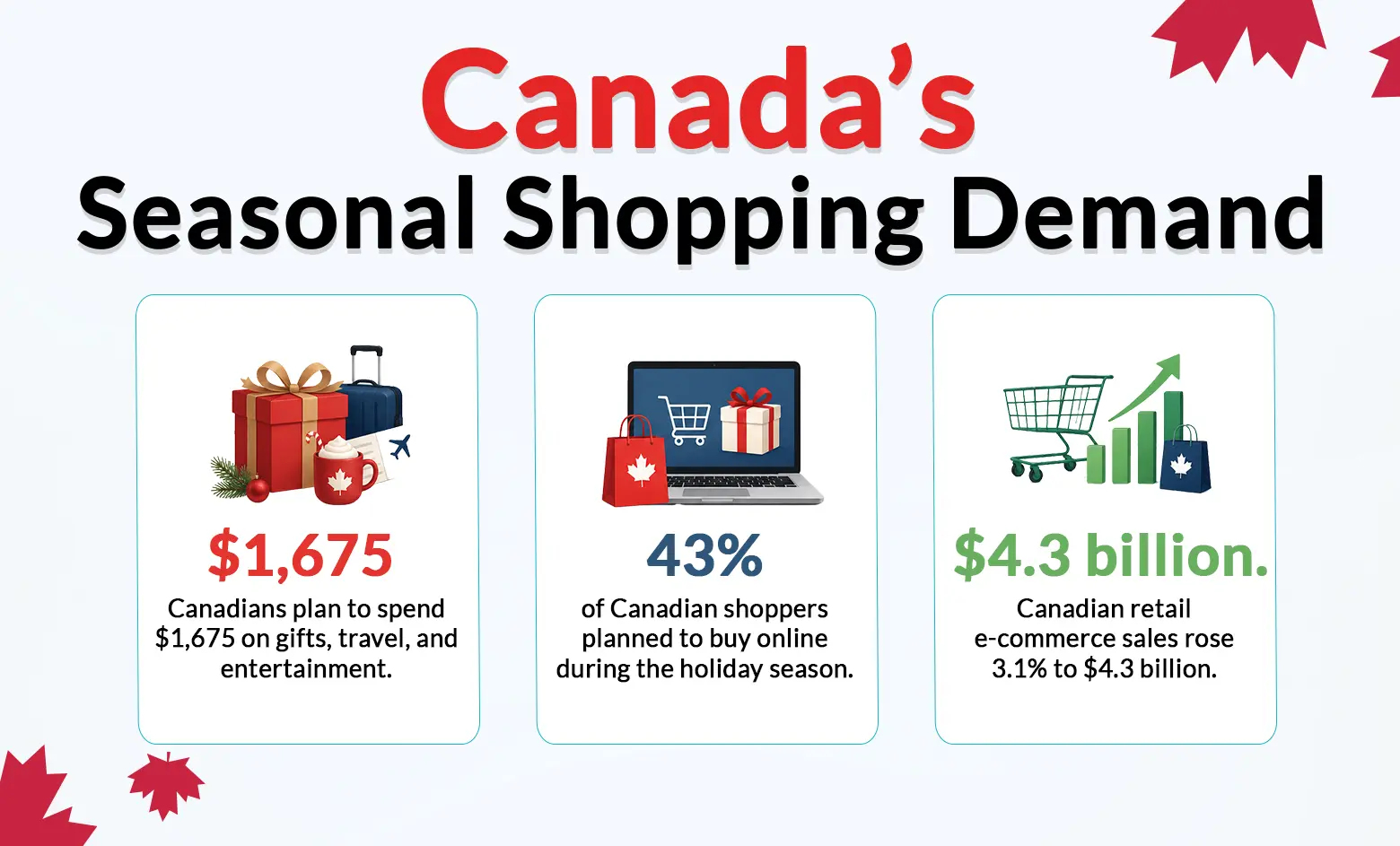
Human beings respond to deadlines. It is not a trick—it is a genuine part of how we make decisions. When a seasonal offer has a clear end date, that information is useful to the shopper and helps them plan. It also adds a layer of honesty to your advertising that customers appreciate. Countdown timers in display ads and deadline references in text ads are legitimate and effective tools when used with real, accurate timelines.
Optimizing Google Ads for seasonal trends means understanding that a campaign running from December 1st to December 20th should feel different in its final three days than it did on day one. As the deadline approaches, increase your bid adjustments for high-intent keywords, refresh your copy with proper deadline language and make sure your landing pages reflect the urgency.
This is not about manufacturing pressure—it is about giving customers accurate, timely information so they can act. Countdown-based creative consistently outperforms evergreen creative during peak seasons because it lines up with how people think and decide.
Knowing who to reach is just as important as knowing what to say. These four targeting approaches help you put your seasonal budget in front of the people most likely to act.
Age, household income, and parental status can shift seasonal purchase behaviour. A campaign for high-end holiday gifts should bid more aggressively for users in higher income brackets. A back-to-school campaign performs differently for parents than for young adults without children. Use the bid adjustment tools in Google Ads to line up your spend with the demographics most likely to convert for that specific season and review those settings before each campaign launches. This is a straightforward move that most advertisers overlook entirely.
Seasons do not behave the same way across Canada. A snow removal company in Halifax operates on a different seasonal timeline than the one in Vancouver. A patio furniture retailer in Winnipeg will see demand spike weeks later than one in Southern Ontario. Use location bid adjustments to concentrate spend in the geographic areas where your seasonal demand peaks earliest and most reliably. Regional targeting precision reduces wasted spend and consistently improves conversion rates for businesses with a national or multi-regional footprint.
Your existing customer list is one of the most underused assets in seasonal advertising. Upload your email list to Google Ads using Customer Match, then build a separate campaign targeting those known customers during your peak season. People who have already bought from you once are more likely to buy again—especially around seasonal moments they associate with your brand. Pair this audience with customized messaging that acknowledges the relationship and you will see stronger conversion rates at lower cost per acquisition than cold traffic campaigns.
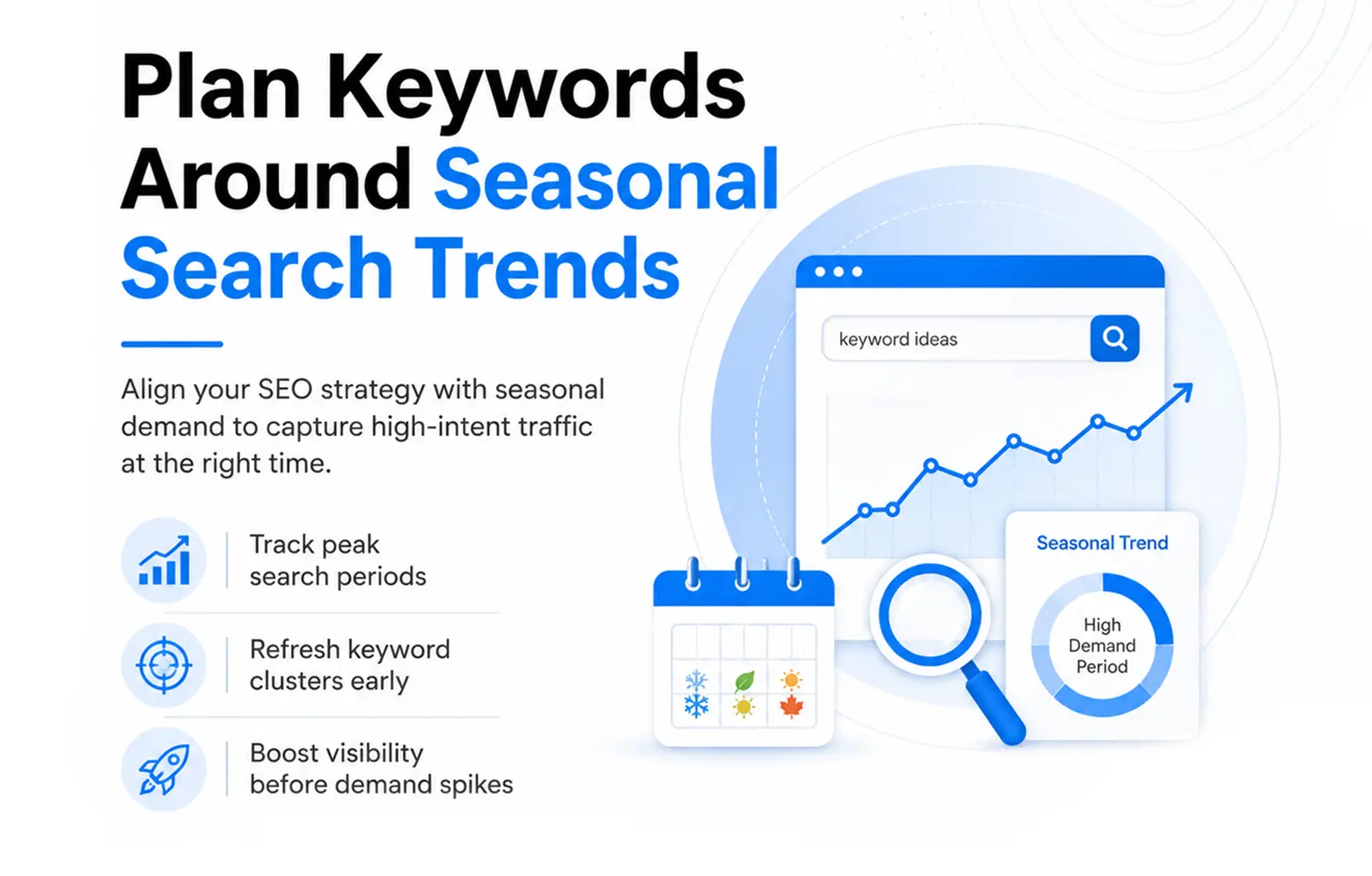
Google Trends shows you exactly how search interest for specific terms rises and falls across the calendar year. Before your season opens, use it to pinpoint which keywords in your category spike earliest, which fall flat, and which have been growing year-over-year. Set up your seasonal keyword lists around this data rather than guessing.
For instance, searches for “gift baskets Canada” behave very differently in early November versus mid-December. Lining up your keyword priorities with actual trend data means your budget is working harder from the first day your campaign goes live.
How you set up and organize your campaign architecture directly affects your ability to control spend, read data and make fast decisions when a season is in full swing.
Mixing seasonal and year-round keywords into the same campaign structure makes it nearly impossible to budget, analyze or optimize properly. Keep seasonal Google Ads campaigns in their own campaign structure with their own budgets. This gives you clean data and full control over spend without seasonal fluctuations distorting your evergreen performance metrics.
This sounds basic, but a surprising number of businesses run seasonal campaigns without solid conversion tracking in place. Before your season goes live, confirm that purchase completions, form submissions or phone calls are all firing correctly in Google Ads. Without accurate conversion data, your automated bidding strategies have nothing reliable to optimize toward. A season’s worth of budget spent without proper conversion tracking means you cannot measure what worked, and you cannot improve the following year.
Seasonal campaigns attract a wider range of search queries than evergreen ones, simply because seasonal intent can be expressed in many ways. Curate a shared negative keyword list specific to each season and apply it across all relevant campaigns before launch. Include competitor names, irrelevant product variants and any terms that historically generated clicks without conversions. Maintaining this list actively during the season reduces wasted spend without requiring constant bid management adjustments.
Many businesses let seasonal campaigns run too long, burning budget on declining intent after the peak has passed. Before your season launches, decide on a clear wind-down date. Plan to reduce bids progressively in the final week, shift budget toward retargeting for people who clicked but did not convert and prepare your campaigns for the off-season maintenance period.
Seasonal marketing rewards the advertisers who respect the calendar and do the work in advance. Whether you are running holiday campaigns, summer promotions, or back-to-school pushes, the businesses that outperform their competition are the ones with a plan built on real data, careful audience segmentation, and message-matched creative. Strong Google Ads campaigns do not happen by accident—they are built deliberately, reviewed honestly, and improved every single season. Start early, test carefully, and document everything.
Aim for at least six to eight weeks before your season opens. This gives Google’s algorithm time to learn, lets your Quality Score improve and lets you test headline and audience variations before peak traffic arrives and CPCs (cost per click) climb.
There is no universal answer, however many businesses shift thirty to fifty percent of their monthly ad budget toward seasonal campaigns during peak periods. Base this on historical conversion data and the revenue potential of each season relative to your annual average.
Start with your Google Search Console and Google Ads search term reports from previous seasons. Look for high-intent, commercially specific terms that spiked in those windows. Layer in Google Trends data for your category to spot emerging seasonal search patterns worth capturing this year.
For seasonal campaigns, leaning toward phrase match and exact match gives you more control over relevance and spend. Broad match can work but requires frequent negative keyword management. During high-CPC seasonal periods, tighter match types often deliver better return on ad spend.
They are extremely important. A landing page that matches your ad’s seasonal message, offer and call to action will consistently outperform a generic page. Message alignment improves Quality Score, reduces bounce rate, and increases the likelihood that a click becomes a conversion.
Track click-through rate, conversion rate, cost per conversion, impression share, and search lost impression share due to budget and rank. These five metrics together tell you whether your campaign is competitive, whether your creative is resonating, and whether your budget is sufficient for the demand available.